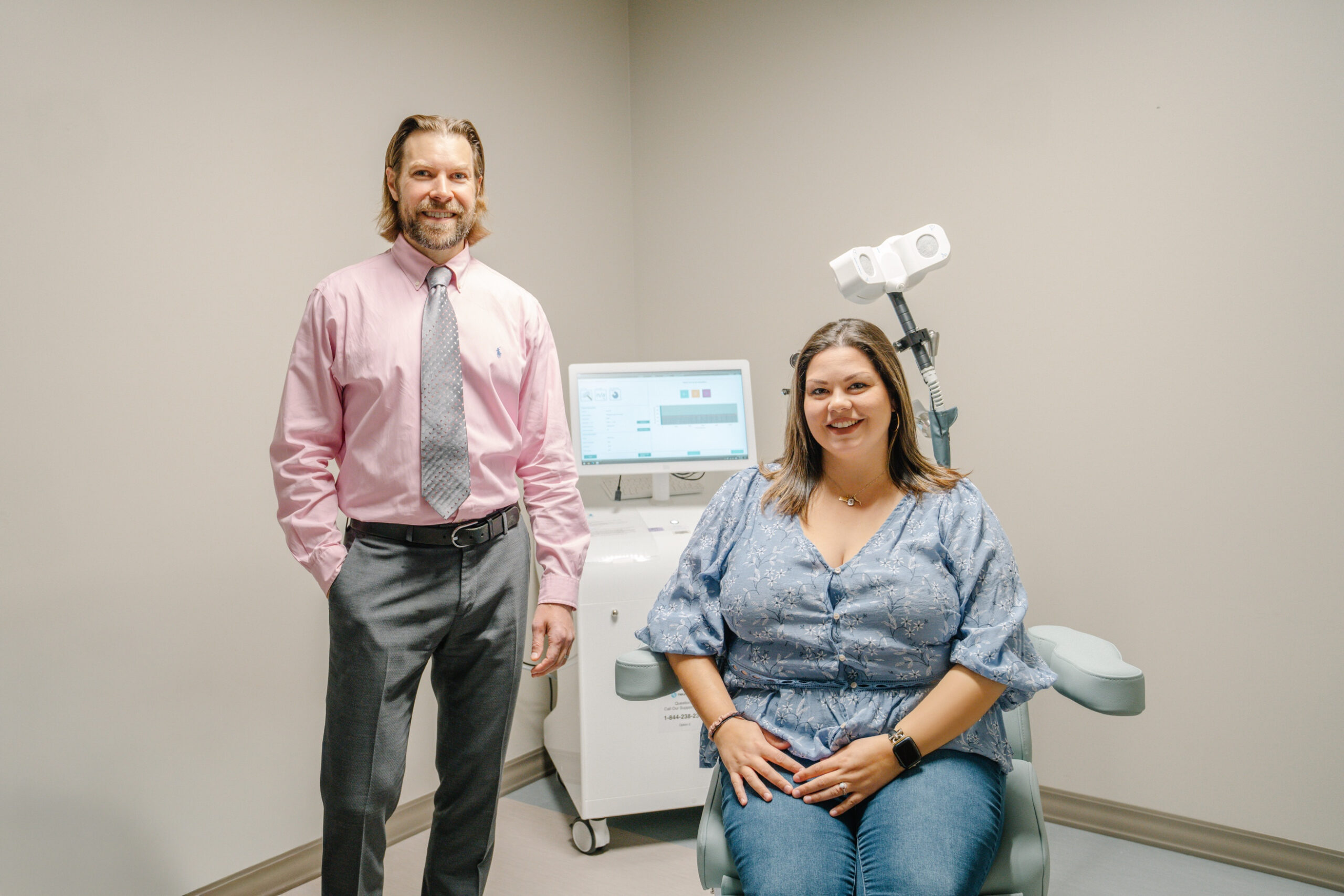
MOULTRIE, GA —TMS offers a treatment option for patients who have not experienced adequate relief from antidepressant medications or who cannot tolerate medication side effects. The therapy uses targeted magnetic pulses to stimulate specific areas of the brain associated with mood regulation, helping improve symptoms of depression over a series of treatment sessions.
“We are always looking for ways to better serve our patients and our community,” said Colquitt Regional President and CEO Jim Matney. “Introducing TMS therapy is part of our ongoing commitment to bringing new technologies and expanded treatment options to our health system so patients can receive the care they need, right here at home.”
Unlike medication-based therapies, TMS is non-invasive and does not require anesthesia or sedation. Treatments are performed on an outpatient basis and typically involve minimal side effects, most commonly temporary scalp discomfort or mild headaches. TMS does not circulate through the bloodstream and is free of many side effects often associated with antidepressant medications.
“Depression can affect every aspect of a person’s life, and TMS allows us to offer a highly targeted therapy for patients who need another option,” said Kent Posey, MD. “This technology gives us the ability to personalize care and help patients regain function, motivation, and quality of life.”
For patients like Lexi Perez, the impact of TMS has been life-changing.
“Before treatment, life felt dull and overwhelming,” said Perez. “I had little to no motivation, and even everyday tasks felt difficult. After completing treatment, I genuinely enjoy life and look forward to the future. I no longer feel the constant sense of impending doom that depression brought. This treatment saved my life, and I will stand behind it for the rest of my life.”
TMS treatments are administered over multiple sessions, allowing for lasting therapeutic effects by stimulating under-active regions of the brain associated with depression. Sterling Group Psychiatry’s addition of this technology reinforces Colquitt Regional’s continued investment in comprehensive behavioral health services.
“Mental health touches nearly every family in some way, and it is important that people know help is available right here in our community,” said Hospital Authority Chairman John Griffin. “Offering TMS therapy sends a clear message that seeking care is a sign of strength, and that Colquitt Regional is committed to supporting the whole person—mind, body, and spirit.”
For more information about TMS therapy or to determine eligibility, patients are encouraged to contact Sterling Group Psychiatry at 229-891-9443.